

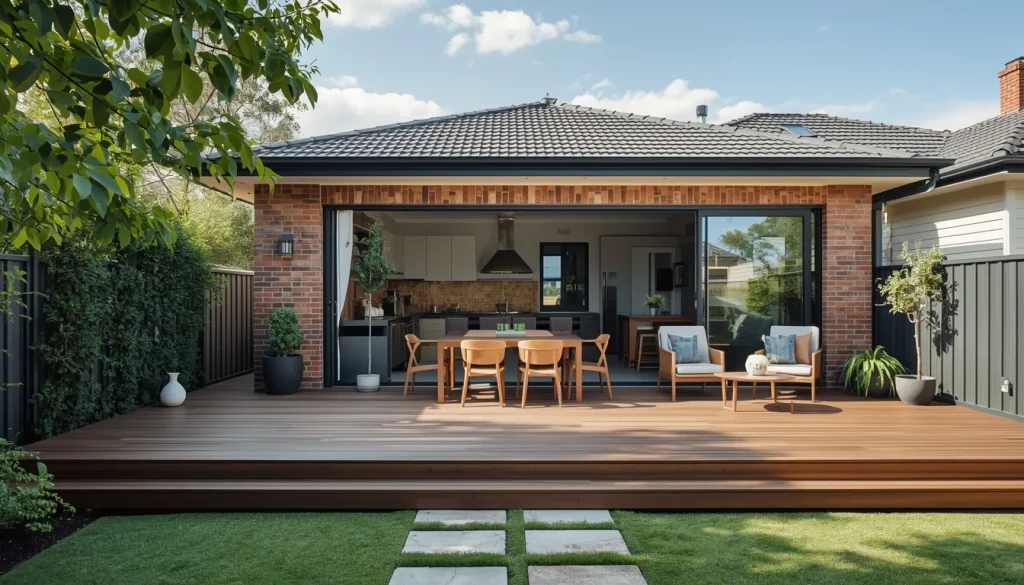
Decking is one of the most popular outdoor upgrades for Melbourne homes, but choosing the right material can make or break the investment. With Victoria’s changing climate, reactive soils, and busy lifestyles, the debate between timber decking and composite decking is more relevant than ever in 2026.
If you’re planning a new deck or replacing an old one, here’s a clear breakdown of what works best in Melbourne conditions.
Timber and composite decking each offer unique benefits, but Melbourne’s climate and maintenance demands are pushing more homeowners toward composite solutions. This guide compares durability, cost, appearance, and long-term value to help Victorians choose the right decking material.
Why Decking Choices Matter in Melbourne
Melbourne’s weather is famously unpredictable—hot summers, wet winters, and sudden temperature shifts all impact outdoor structures. Decking materials must withstand:
-
Moisture exposure
-
UV damage
-
Ground movement
-
Heavy foot traffic
Choosing the wrong material can lead to warping, fading, and frequent repairs.
Timber Decking: Classic Look, Higher Maintenance
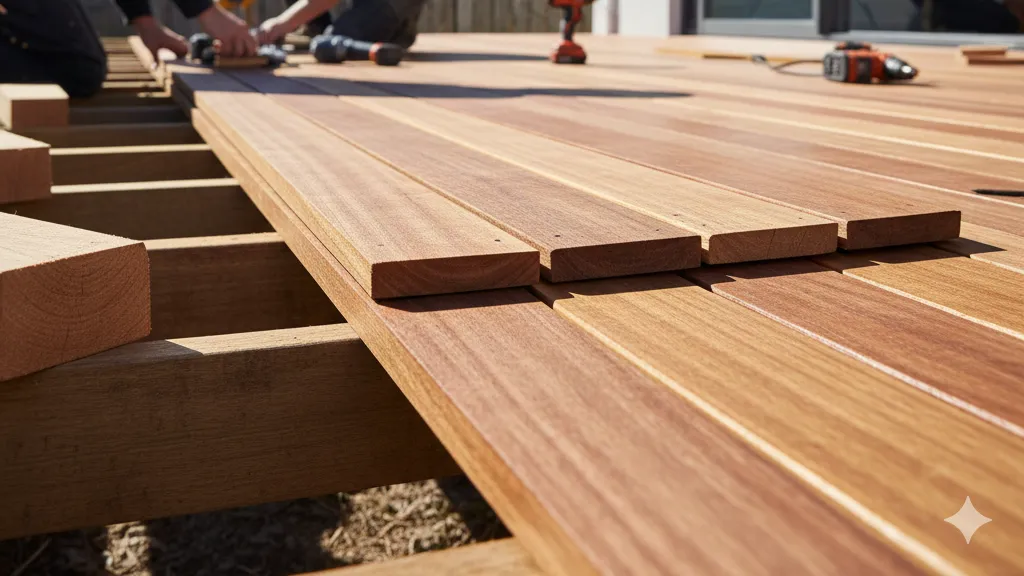
Timber decking remains popular for its natural warmth and traditional appeal. Common timber choices in Melbourne include merbau and treated pine.
Pros of timber decking:
-
Natural, authentic appearance
-
Can be stained or refinished
-
Often lower upfront cost
Cons to consider:
-
Requires regular sealing and maintenance
-
Can fade, warp, or splinter over time
-
Susceptible to moisture and sun damage
Timber suits homeowners willing to invest time in upkeep.
Composite Decking: Built for Modern Melbourne Living
Composite decking is engineered using a blend of recycled materials and polymers, making it ideal for Victoria’s conditions.
Benefits of composite decking:
-
Resistant to moisture, rot, and insects
-
Low maintenance—no sealing or staining
-
Consistent colour and finish
-
Long lifespan (25+ years)
In 2026, composite decking is increasingly preferred by busy families and investors.
Maintenance & Long-Term Costs Compared
While timber may cost less initially, ongoing maintenance adds up. Composite decking has a higher upfront cost but saves money long-term due to minimal upkeep.
Typical comparison:
-
Timber: Lower upfront, higher ongoing costs
-
Composite: Higher upfront, lower lifetime costs
For many Melbourne homeowners, composite decking delivers better value over time.
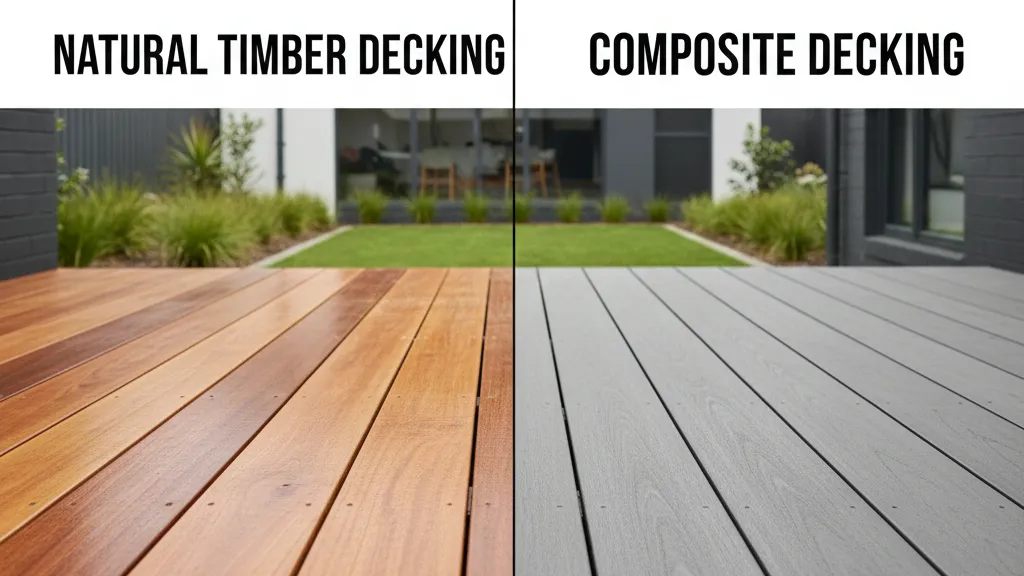
Which Decking Performs Better in Victoria’s Climate?
Composite decking outperforms timber in:
-
Wet and shaded areas
-
Full sun exposure
-
High-traffic family spaces
Timber can still work well in covered or low-exposure areas when properly maintained.
Why Professional Deck Installation Matters
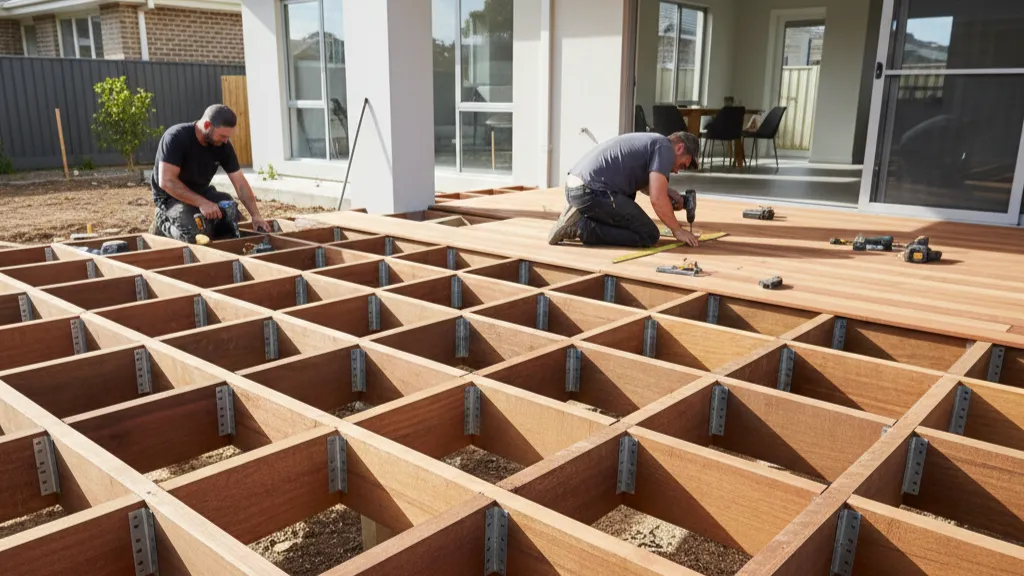
Regardless of material, decking performance depends on:
-
Correct sub-frame construction
-
Proper drainage and ventilation
-
Accurate spacing and fixing
Poor installation leads to movement, squeaking, and early failure—especially in Melbourne soil conditions.
Why Naxan Renovations Builds Decks That Last
At Naxan Renovations, we help Melbourne homeowners choose the decking material that suits their lifestyle, budget, and property. Every deck is designed for:
-
Local climate conditions
-
Long-term durability
-
Visual harmony with your home
We don’t just build decks—we build outdoor spaces that last.
Final Thoughts
Choosing between timber and composite decking in Melbourne comes down to lifestyle, maintenance expectations, and long-term value. With the right guidance and professional installation, either option can transform your outdoor living space—but composite is fast becoming the smarter 2026 choice.
