

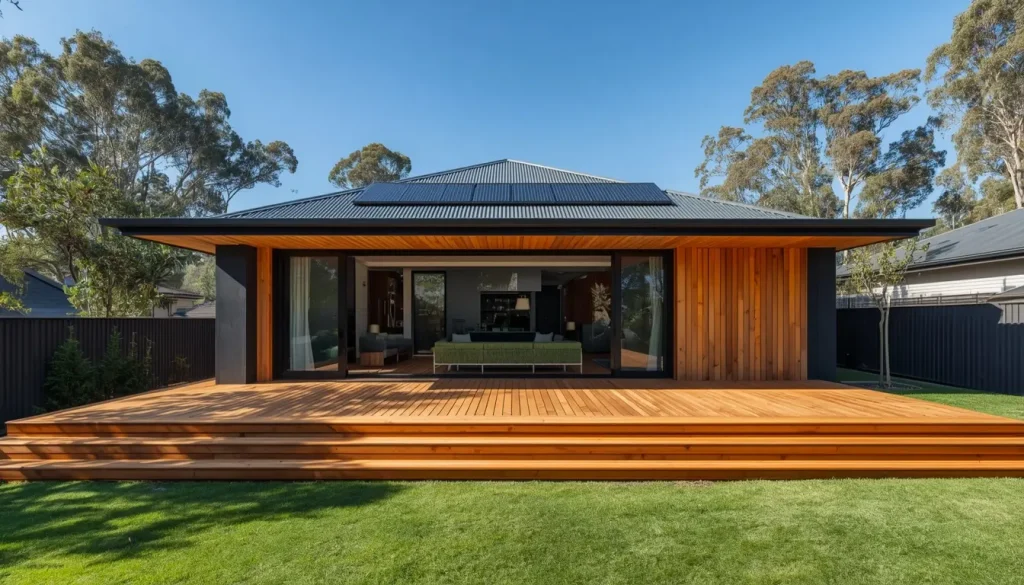
Melbourne homeowners understand that our local climate places unique, often punishing demands on
residential properties. From blistering summer heatwaves exceeding 40°C to intense winter downpours, frost,
and sudden shifts in humidity, outdoor structures endure non-stop atmospheric stress. When planning a
melbourne backyard renovation, choosing between traditional wood profiles and modern synthetic boards
isn’t just about initial styling—it is fundamentally an investment in long-term structural resilience.
The debate surrounding timber vs composite decking melbourne features valid arguments on both sides.
Timber provides unmatched, timeless warmth and a premium sensory connection to nature, but it requires
regular upkeep to withstand UV rays and driving rain. Conversely, modern engineered materials promise
premium longevity with minimal ongoing intervention. This deep-dive evaluation analyzes how both choices
perform under Victoria’s challenging climate conditions, ensuring your outdoor entertainment area remains
functional, safe, and beautiful for decades to come.
Choosing the right outdoor flooring material can be highly challenging given the unpredictable, fourseasons-in-one-day weather patterns experienced across Victoria. This comprehensive guide
compares the lifespan, ongoing maintenance costs, and environmental durability of timber and
composite materials to help you make an informed decision for your next home improvement project.
Understanding the Competitors: Materials & Profiles
To evaluate structural durability accurately, we must first analyze the engineering and chemical composition of
the primary materials utilized in regional residential projects.
Natural Timber Decking
Natural wood configurations are generally split into two primary categories across Victoria:
Australian Hardwoods: Premium varieties such as Merbau, Spotted Gum, Blackbutt, and Ironbark are
exceptionally dense, rich in natural oils, and inherently resilient against weather and pests.
Treated Pine: A budget-friendly soft timber chemically pressure-treated to resist rot, fungal decay, and
termites, though highly susceptible to thermal expansion and twisting if left unsealed.
Composite Decking Material
Modern composite boards represent a massive technological leap from early synthetic iterations. Highperformance products are manufactured by blending recycled wood fibers with refined plastics (polyethylene
or PVC) alongside UV inhibitors and bonding agents. Premium modern boards feature an advanced coextruded outer shell, providing superior resistance against scratching, staining, and fading.
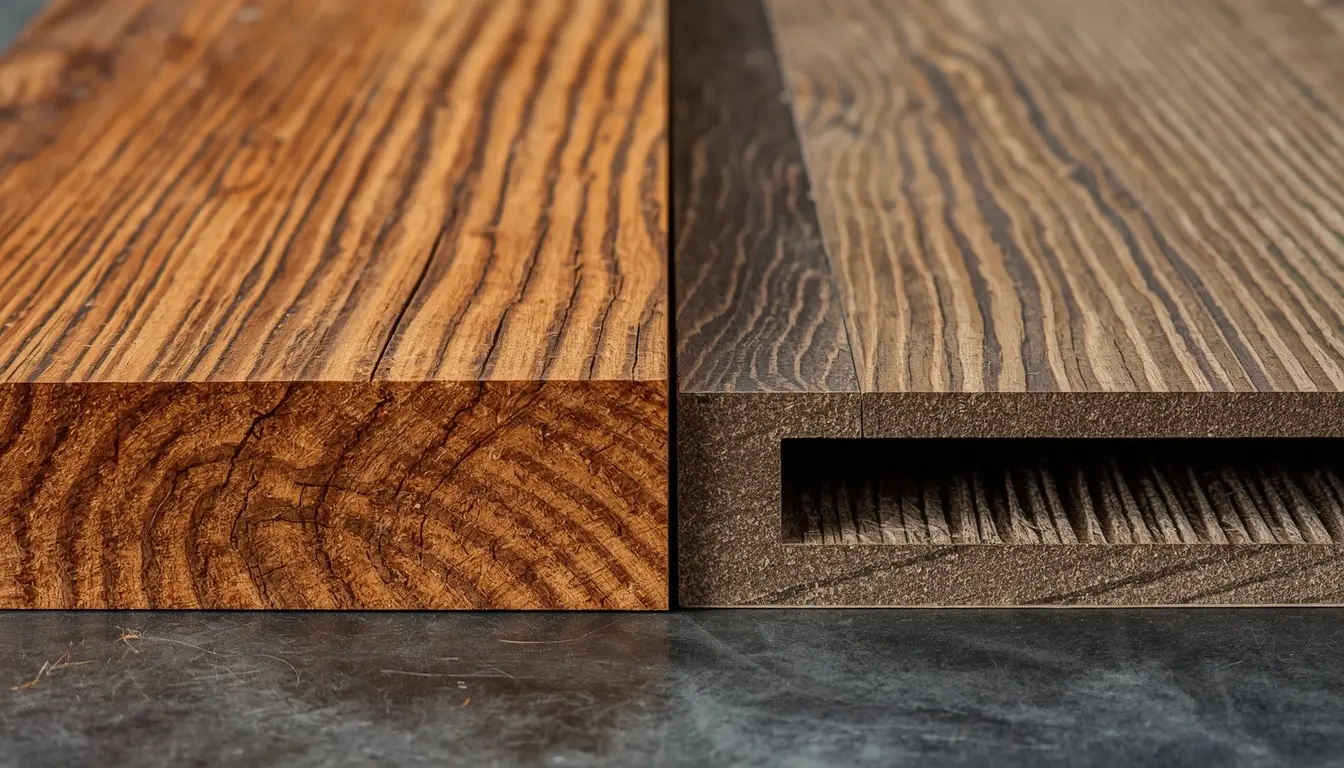
Climate Analysis: How Melbourne’s Weather Impacts Your Deck
Victoria’s notorious weather volatility accelerates natural wear and tear. Understanding these specific climate mechanics reveals why some systems fail prematurely while others endure effortlessly.
1. Intense Ultraviolet (UV) Exposure
Melbourne’s extreme summer UV radiation rapidly breaks down natural lignin within organic wood fibers. This chemical degradation triggers severe surface silvering, surface checking, and structural splintering. Composite alternatives utilize specialized chemical stabilizers designed to deflect UV rays, maintaining structural integrity and color consistency with only negligible fading over multiple decades.
2. Severe Moisture Cycling & Flash Rainfall
Sudden changes from winter saturation to baking summer heat produce major internal moisture fluctuations in timber. This continuous cycle of swelling and shrinking causes natural boards to warp, cup, split, and loosen around mechanical fasteners over time. Engineered boards absorb virtually zero moisture, completely eliminating the structural risks of rot, mold growth, or moisture-induced dimensional warping.
Lifespan and Durability Comparison
When evaluating actual longevity, the definitive operational lifetime of your installation depends entirely on material quality and the consistency of manual maintenance.
-
Premium Australian Hardwoods: Can comfortably last between 20 to 35 years, provided they are thoroughly sanded, oiled, and sealed every 12 to 18 months without fail.
-
Treated Softwood Pine: Typically delivers an operational lifecycle of 10 to 15 years before structural degradation, warping, or fastener pulling requires a full replacement.
-
Advanced Composite Formulations: Built to last between 25 to 30+ years completely unhindered, backed by comprehensive commercial stain, fade, and performance warranties without requiring structural re-sealing.
Material Performance Breakdown
| Feature / Performance Attribute | Treated Pine Timber | Premium Australian Hardwood | Co-Extruded Composite |
| Expected Lifespan | 10 – 15 Years | 20 – 35 Years (With Maintenance) | 25 – 30+ Years (Maintenance-Free) |
| UV & Fade Resistance | Poor (Turns grey quickly) | Moderate (Requires constant oiling) | Excellent (Engineered UV stability) |
| Moisture Absorption | High (Prone to twisting) | Moderate (Prone to checking) | Negligible (<1% moisture retention) |
| Splintering & Cracking | High risk over time | Moderate risk if unsealed | Zero risk (Safe for bare feet) |
| Termite & Pest Resistance | Chemical treatment reliant | Inherent natural resistance | 100% immune to pest damage |
| Initial Installation Cost | Low / Budget-friendly | Medium to High | High upfront investment |
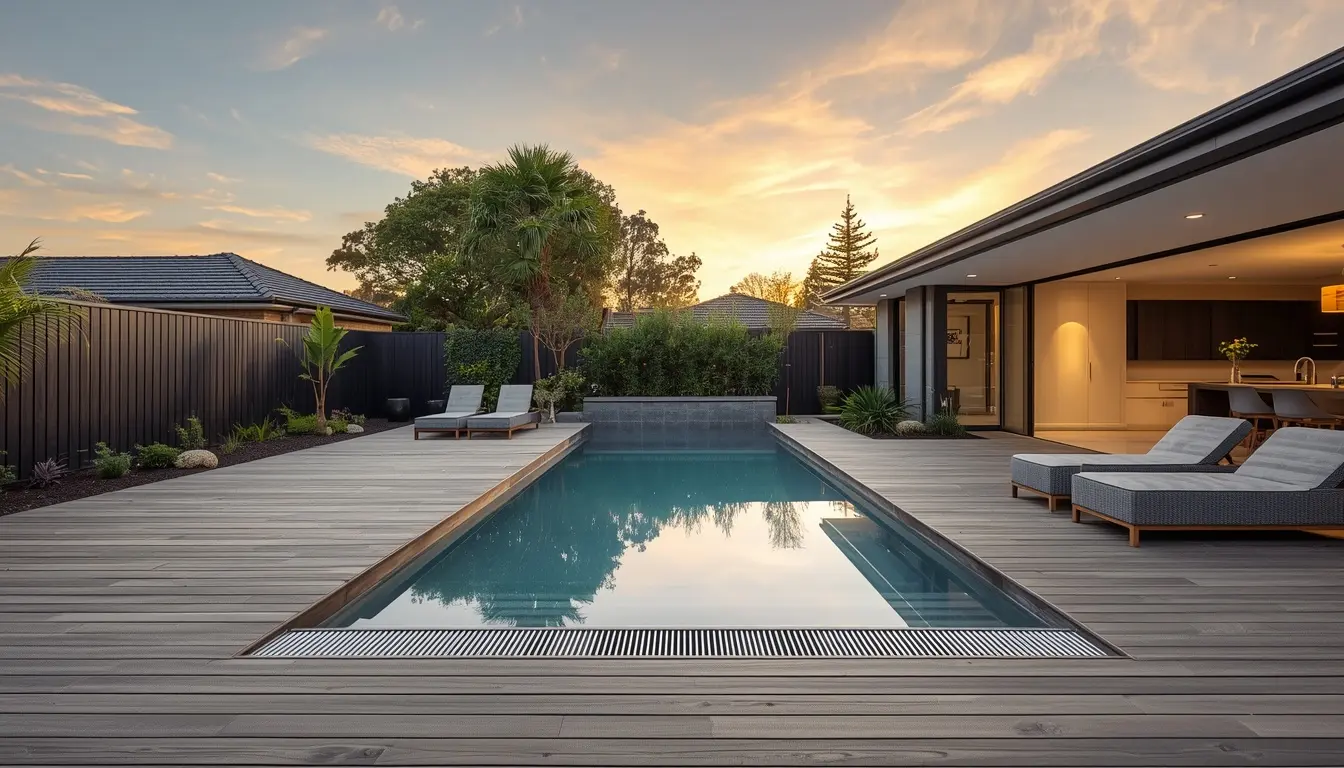
Maintenance Tips and Total Cost of Ownership (TCO)
Evaluating a major renovation project purely on initial purchase prices can skew long-term financial calculations. Homeowners must weigh the upfront capital expenses against ongoing maintenance costs over the lifetime of the installation.
The True Cost of Keeping Timber Beautiful
Maintaining a timber profile requires regular, physically demanding care. To protect natural wood from the harsh elements, owners must dedicate significant time or budget to routine maintenance:
-
Bi-Annual High-Pressure Washing: Safely clearing embedded organic debris, black mold spores, and atmospheric grime.
-
Chemical Stripping and Intensive Sanding: Removing old, degraded finishes to expose fresh timber pores every few years.
-
Oiling and Resealing: Applying multiple coats of premium, UV-rated marine oils or clear acrylic polyurethanes every 12 months.
Over a standard fifteen-year operational window, the compounding financial cost of premium stains, oils, specialized sanders, and applicators—or professional labor costs—frequently outstrips the initial cost of the timber itself.
The Low-Maintenance Alternative
Engineered boards completely eliminate this demanding maintenance schedule. The structural care routine for a modern synthetic deck consists entirely of basic household cleaning:
-
An occasional wash down using warm soapy water and a soft-bristled brush to remove dust or outdoor spills.
-
Promptly sweeping away organic leaf matter to prevent surface mold buildup in shady corners.
Design Trends & Best Use Cases in Victoria
Both product types cater well to distinct architectural styles across Melbourne’s diverse suburbs.
-
Coastal & Heritage Contexts: Natural seasoned timber remains highly prized in historic inner-east developments and classic coastal builds along the Mornington Peninsula, where authentic aging fits the local design aesthetic.
-
Modern, Multi-Level Extensions: Sleek, wide-board composite systems are highly popular across modern inner-city renovations and low-maintenance multi-residential developments due to their ultra-clean joinery and hidden clip fastener systems.
-
Bushfire Attack Level (BAL) Zones: Many outer-suburban or forested properties must satisfy strict bushfire safety codes. Certain high-density Australian hardwoods (like Spotted Gum) and specifically engineered flame-retardant composite collections comply with high BAL ratings, ensuring essential property protection.
Why Choose Naxan Renovations?
When executing your outdoor transformation, partnering with a proven, structural expert guarantees perfect alignment, structural integrity, and premium material delivery.
-
✔ Experienced Melbourne team with deep knowledge of local building codes and conditions.
-
✔ Premium grade materials and flawless structural workmanship on every build.
-
✔ Comprehensive residential and commercial project execution expertise.
-
✔ Fully transparent pricing models with no hidden fees or surprise variations.
-
✔ Fully customized architectural solutions tailored to your unique lifestyle.
-
✔ Decks specifically engineered and built to endure Melbourne’s volatile climate conditions.
Conclusion: Final Thoughts on Maximizing Outdoor Value
When considering whether timber or composite options deliver superior longevity in Victoria’s variable climate, modern co-extruded composite materials are the clear winner for long-term durability. While high-grade natural Australian hardwoods offer incredible beauty and can match this lifespan, they require strict, costly, and ongoing manual maintenance to survive the elements.
For homeowners looking to maximize property value, save on maintenance costs, and enjoy a beautiful outdoor living space without spending weekends sanding and oiling, investing in a high-quality composite decking installation is an excellent choice.
Ready to transform your outdoor living space with a durable, beautiful deck built for local conditions? Contact the expert team at Naxan Renovations today to schedule your custom design consultation and bring your dream backyard renovation to life.
