Residential Backyard Concreting
Concreting
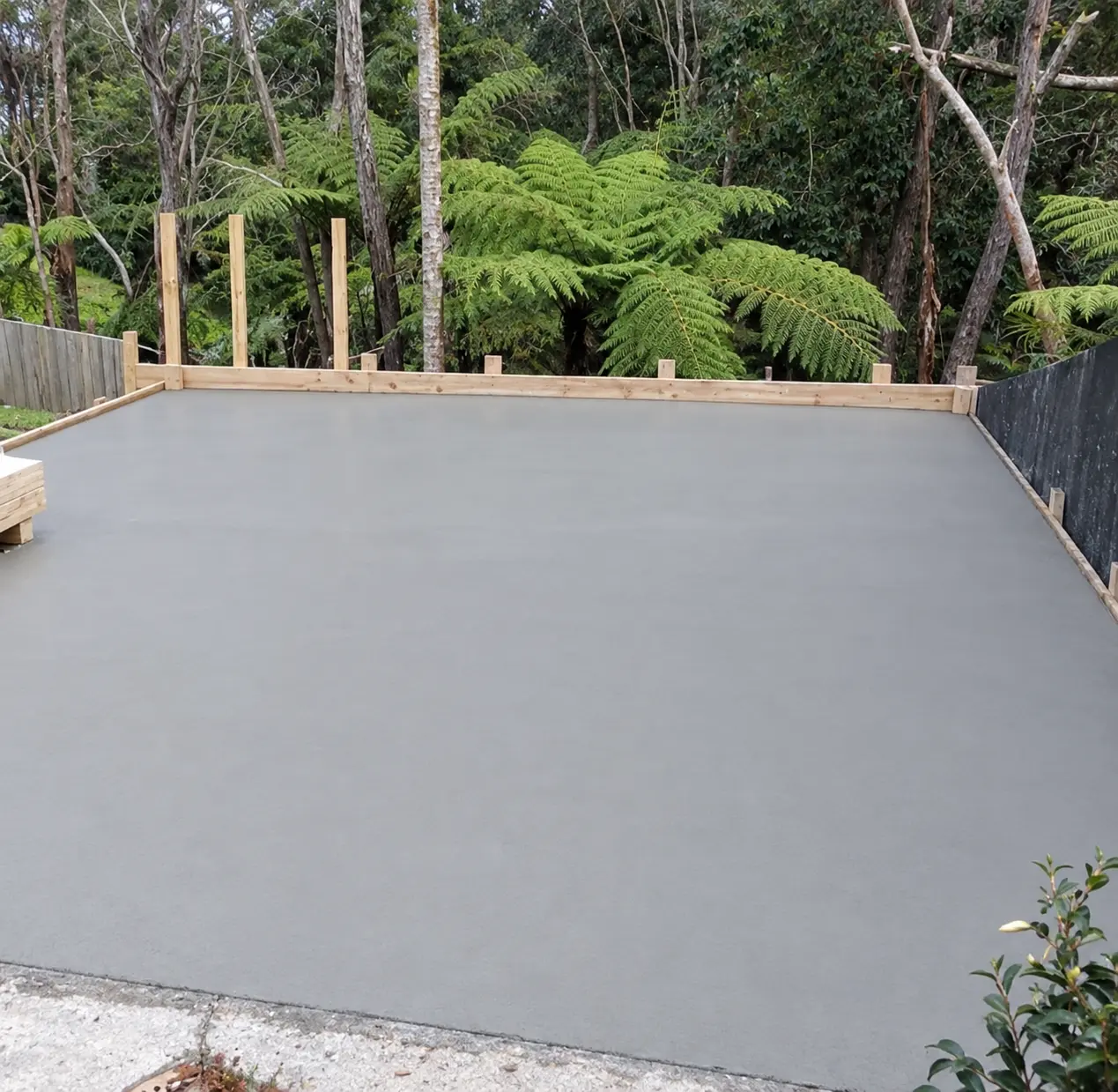
This residential concreting project transformed an uneven, partially prepared backyard area into a clean, level and functional concrete slab designed to create a more practical outdoor space.
Before the concrete was installed, the area required preparation and levelling. The site consisted of exposed soil, gravel, uneven ground and patches of vegetation. Timber edging was established around the perimeter to define the concrete area and provide the required formwork for the new slab.
The project progressed from ground preparation and formwork through to concrete installation and finishing. The completed slab provides a smooth, durable surface that makes better use of the available backyard area while complementing the existing timber decking, fencing and surrounding greenery.
The result is a more structured outdoor space with a clean concrete surface that can be used as a foundation for outdoor living, entertaining or other residential activities.
Key Features
Each element of this concreting project was focused on creating a practical, well-defined and durable outdoor surface.
Prepared & Levelled Ground
The existing uneven ground was prepared to establish a more suitable base for the new concrete area.
Timber Formwork
Timber edging was used around the perimeter to define the slab and help establish its shape during the concreting process.
New Concrete Slab
The completed area features a broad, smooth concrete surface that significantly improves the usability of the backyard.
Clean, Level Finish
The finished concrete provides a consistent surface across the prepared area, creating a neater and more functional outdoor space.
Integrated With Existing Features
The new slab works around the existing timber decking, boundary fencing and surrounding garden environment rather than treating the concrete area as an isolated addition.
Practical Outdoor Surface
The newly concreted area creates a solid surface suitable for a range of residential outdoor uses, depending on the homeowner’s requirements.
From Ground Preparation To A Finished Outdoor Space
Good concreting starts before the concrete arrives.
For this project, the existing backyard was first prepared to create a defined area for the new slab. Timber edging was established around the boundaries, helping create the required shape and containing the concrete during installation.
Once the area was prepared, concrete was placed across the site and finished to create a smooth, continuous surface.
The transformation demonstrates how a previously uneven backyard can be converted into a structured and usable outdoor area through professional concreting.
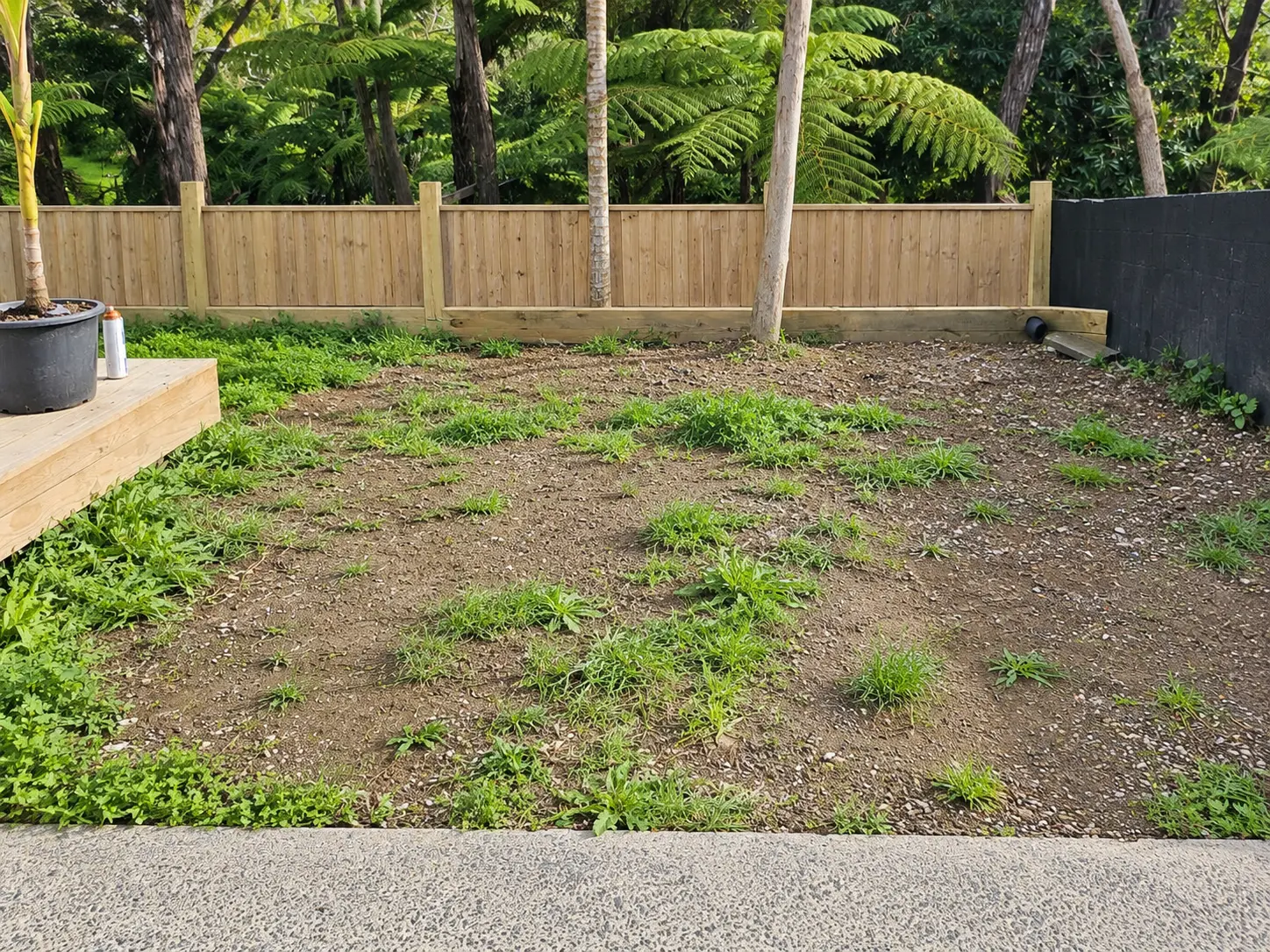
The initial site consisted largely of exposed soil and gravel with uneven patches of grass and vegetation. The ground required preparation before it could be converted into a functional outdoor surface. Timber edging and perimeter preparation were established as part of the groundwork, defining the area that would receive the new concrete.
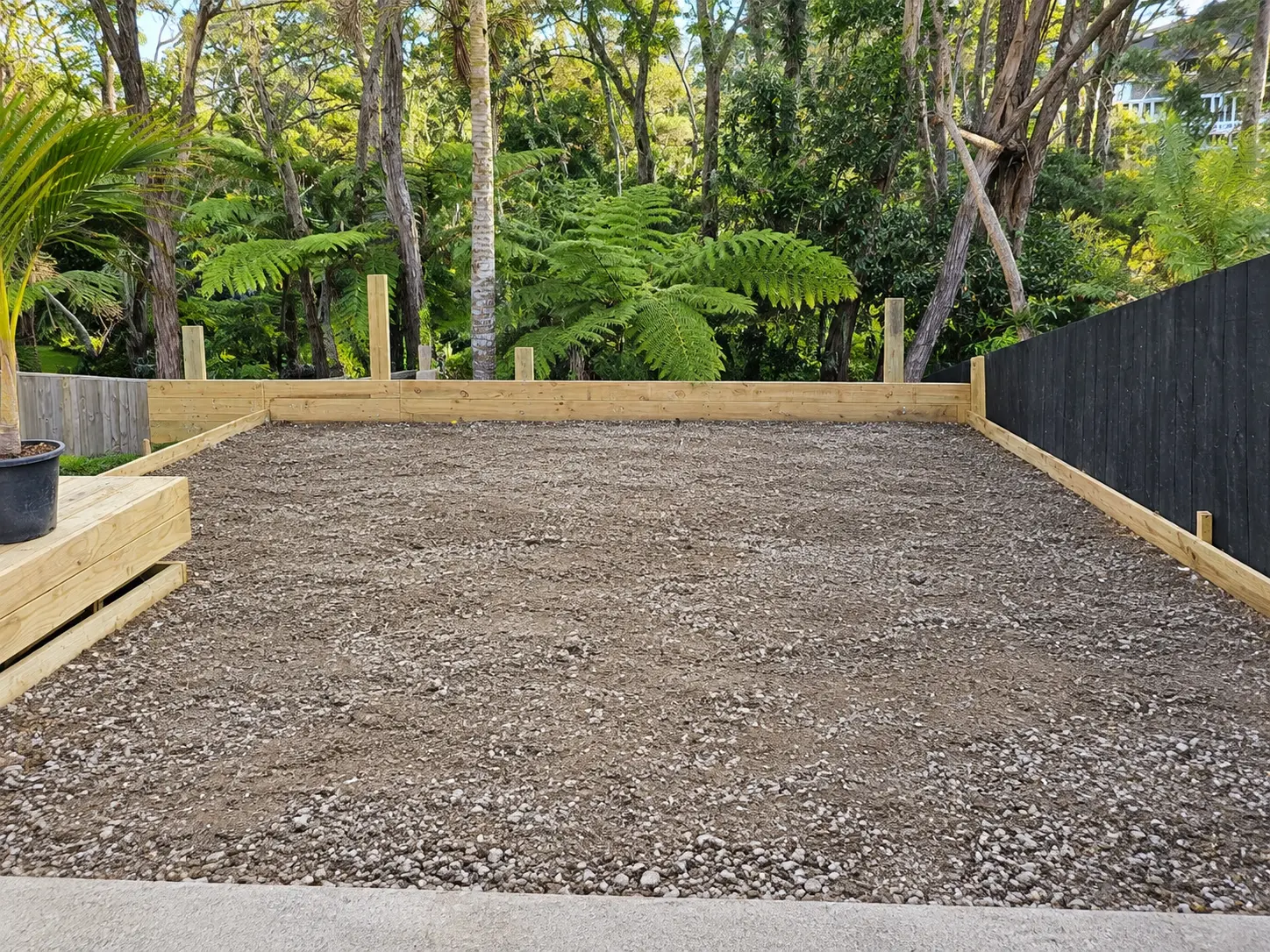
The prepared area was levelled and enclosed with timber formwork. This created a clearly defined footprint for the concrete slab and prepared the site for the next stage of construction.
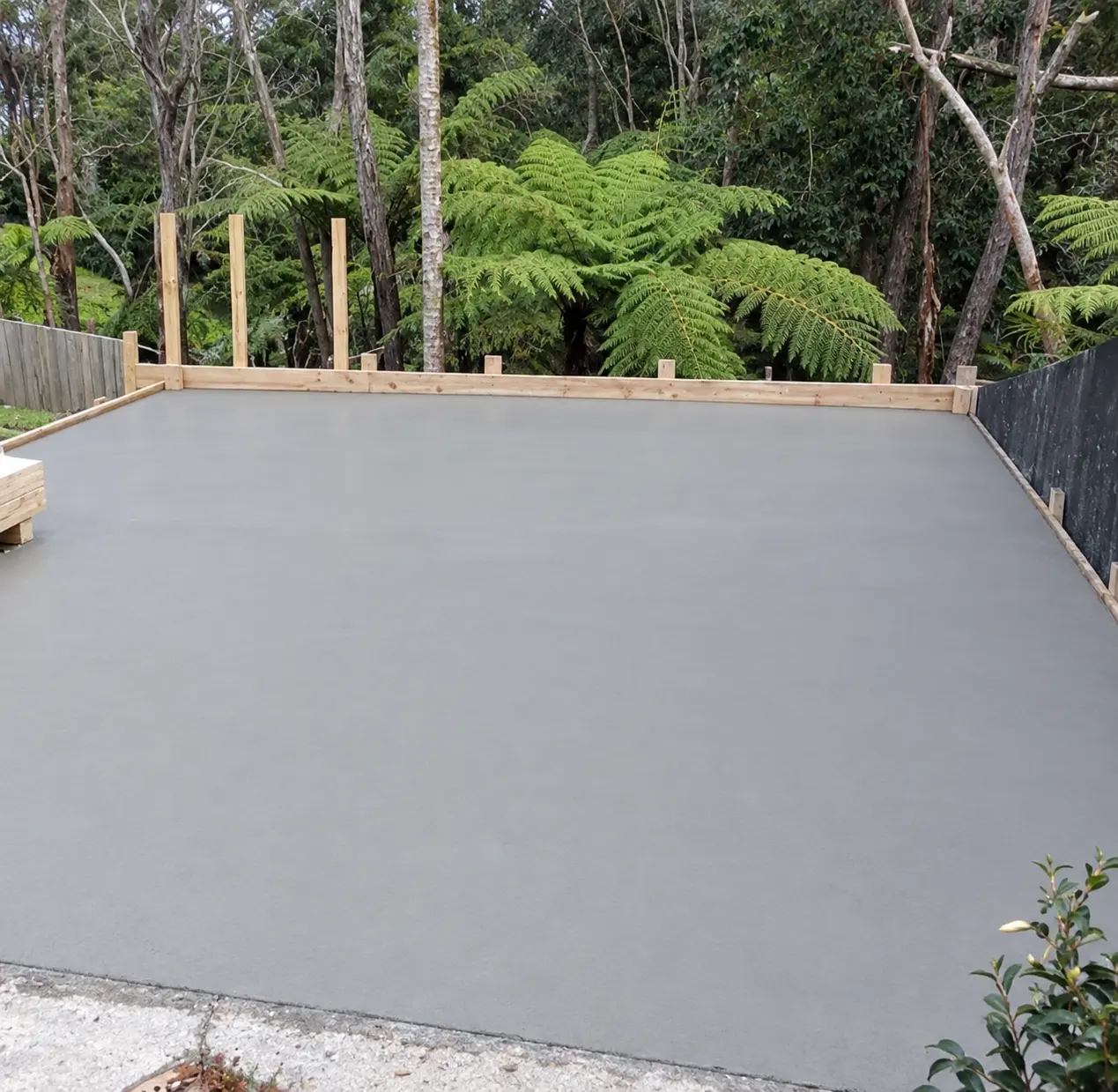
The finished result is a broad, smooth concrete surface occupying the prepared backyard area. The new slab creates a significant improvement in both the appearance and usability of the space while maintaining the existing surrounding timber and landscaped setting.
The existing outdoor area is assessed to understand the available space, ground conditions, surrounding structures and the homeowner's intended use for the new concrete area.
The existing area is prepared and shaped for concreting. Timber formwork is installed around the perimeter to establish the slab's boundaries and finished footprint.
Concrete is placed across the prepared area to create the new slab. The material is distributed throughout the defined space to achieve consistent coverage.
The concrete surface is finished to create a clean, smooth appearance. The completed area is then checked as part of the final project process.
The existing backyard consisted of exposed soil, gravel, grass and uneven sections, making the area less practical for everyday use.
The space lacked a clearly defined finished surface that could support regular outdoor activities.
The combination of soil, gravel and vegetation created an inconsistent ground surface across the backyard.
Without a properly finished surface, a substantial part of the backyard remained difficult to use effectively.
The existing area was prepared and levelled to establish a suitable footprint for the new concrete slab.
Timber formwork was established around the perimeter to clearly define the area being concreted.
A new concrete slab was installed across the prepared space, replacing the uneven ground with a continuous finished surface.
The completed slab creates a significantly more usable outdoor area and provides a solid foundation for future outdoor activities or additions.
Replacing the exposed soil and gravel with a finished concrete surface gives the backyard a more structured and complete appearance.
Concrete can be an effective way to convert an uneven or underused section of a residential property into a more practical outdoor space.
A properly prepared concrete area provides a solid, continuous surface that is easier to use and maintain than exposed soil or uneven ground. It can also provide a suitable foundation for outdoor entertaining areas, seating, furniture or other landscaping and outdoor improvements.
The design and installation approach can be adapted to the available space, surrounding structures and intended purpose of the area.
This project demonstrates the difference that professional concreting can make to an outdoor area.
What began as an uneven section of exposed soil, gravel and vegetation was developed into a large, clean and level concrete slab.
The new surface works naturally alongside the property’s existing timber decking and boundary fencing, creating a more cohesive outdoor environment without removing the surrounding natural character of the property.
For homeowners with an underused backyard area, concreting can provide a practical way to establish a defined outdoor surface while creating additional usable space.
Residential concreting involves preparing and installing concrete surfaces around a home. Common applications include patios, pathways, outdoor entertaining areas, slabs, driveways and other residential surfaces.
This project involved preparing an uneven backyard area, establishing timber formwork around the proposed slab and installing a new smooth concrete surface across the prepared area.
Proper ground preparation helps establish the area required for the concrete and provides a suitable foundation for the new surface. It also allows the finished slab to follow the intended shape and boundaries of the project.
Yes. Concrete can be used in many backyard applications, including outdoor living areas, patios, entertaining spaces, pathways and other surfaces. The appropriate approach depends on the site's conditions and intended use.
Concreting can replace uneven soil, gravel or other unfinished surfaces with a defined and durable surface, making an outdoor area more practical and easier to use.
Yes. Concrete areas can be planned around existing outdoor structures such as timber decking, fencing and landscaping. This project demonstrates how a new slab can be integrated alongside existing timber features.
The timeframe depends on the size of the area, ground conditions, preparation requirements, concrete installation and finishing requirements. A site assessment is needed to establish an accurate project timeframe.
The cost depends on factors such as the size of the area, ground preparation, access, formwork, concrete requirements and finishing. Naxan Renovations can assess the specific site requirements before providing a project quotation.
Yes. Naxan Renovations provides residential concreting solutions as part of its renovation and exterior construction services.

31 Latitude Promenade
Truganina, VIC 3029