
If you’re a Melbourne business owner, the thought of shutting your doors for a renovation probably keeps you up at night. Lost sales, disappointed customers, and restless staff — it adds up fast. The good news? With the right planning and contractor, most shop renovations don’t require extended closures. Here’s how to do it smart.
Why downtime is the #1 fear for Melbourne shop owners
Whether you run a café in Fitzroy, a boutique in South Yarra, or a trade shop in Dandenong, your revenue depends on being open. Even a single week of closure can cost thousands — and that’s before factoring in the renovation itself. But here’s what most business owners don’t realise: a good renovation contractor plans around your trading hours, not the other way around.
Businesses that plan renovations in stages report up to 60% less revenue disruption compared to those who attempt a single, full closure. Phased renovations are almost always the smarter move.
The 4-phase approach to a low-disruption renovation
The key to staying open during a renovation is breaking the project into manageable phases. Here’s a framework Naxan Renovations uses with Melbourne commercial clients:
Phase 1
Phase 2
Phase 3
Phase 4
7 practical tips to keep trading during your renovation
1. Schedule the noisy work for after hours
Jackhammering concrete, cutting tiles, and sanding floors are unavoidably loud. A professional contractor will schedule these for evenings or weekends. Always confirm this upfront — it should be in your contract.
2. Use temporary barriers and hoarding
A well-installed hoarding wall (a temporary partition) can completely separate your renovation zone from your trading floor. Customers often don’t even notice work is happening on the other side. This works especially well for larger retail spaces and hospitality venues.
3. Tackle one section at a time
Rather than gutting the whole shop at once, work section by section. Renovate the back half while the front stays open. Then flip. This approach works brilliantly for cafés, salons, and retail stores.
Contractors who insist on a full closure for straightforward jobs like painting, rendering, or flooring. These can almost always be done in stages. If they won’t budge, get a second quote.
4. Communicate with your customers
A simple sign at the entrance — “We’re upgrading! Please excuse the temporary dust” — goes a long way. Post about it on Instagram and Google. Customers who know about it in advance are more forgiving, and some even get excited about the transformation.
5. Get your permits sorted early
In Melbourne, commercial renovations often require council permits — especially for structural changes, external rendering, or new signage. Delays here are one of the most common causes of blown-out timelines. Start the permit process at least 4–6 weeks before your target start date.
6. Choose materials that work fast
Some finishes dry and cure faster than others. Quick-set concrete, fast-drying floor coatings, and pre-finished timber panels can dramatically cut the time certain stages take. Ask your contractor about low-downtime material options.
7. Work with a team that has commercial experience
A contractor who only does residential work may not understand the pressure of staying operational. Make sure your renovation partner has done commercial jobs in Melbourne before — ask to see examples and speak to past clients if possible.
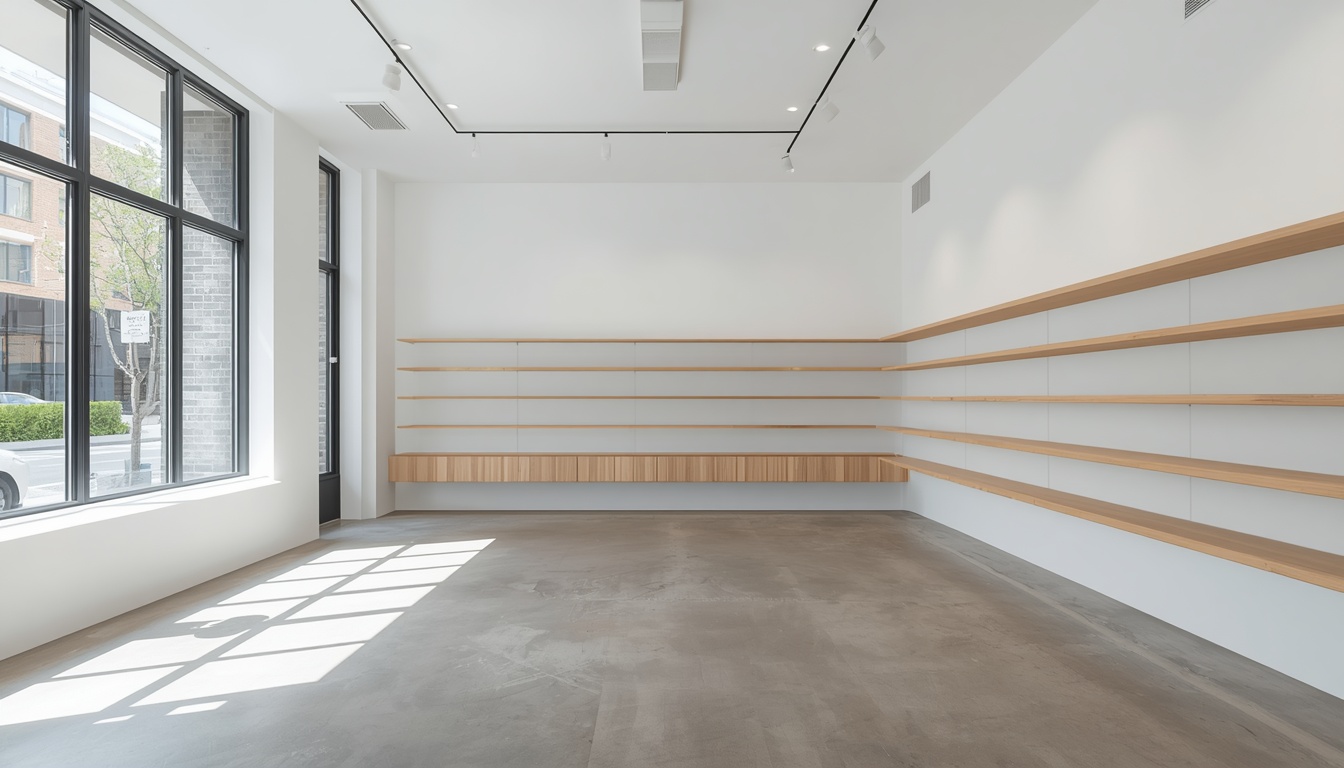
Which renovations can be done while you stay open?
- Painting (interior & exterior) — Can almost always be done in sections, overnight or in off-peak hours
- Tiling — Section-by-section tiling with quick-set grout causes minimal disruption
- Rendering (external) — Exterior work rarely affects internal trading
- Fencing & gates — Perimeter work is fully external and causes no disruption
- Landscaping & paving — External only, easy to stage around car park or entry hours
- Flooring (in sections) — New timber or tile floors can be laid in stages with temporary walkways
- Full kitchen remodelling — Requires partial closure, but can often be limited to a few days with good planning
- Major structural changes — Short closures may be unavoidable, but can be minimised