

Your driveway is the first thing visitors — and potential buyers — see when they arrive at your home. In Melbourne and across Victoria, where outdoor living and kerb appeal carry serious real estate weight, a tired, cracked, or outdated driveway can drag down the impression of an otherwise beautiful property. Whether you are building a new home in a growth corridor like Werribee or Point Cook, renovating a heritage property in Fitzroy, or simply replacing a crumbling concrete slab in the eastern suburbs, understanding driveway costs in Victoria is essential before you commit to a project. Driveway prices in Victoria vary widely — from around $40 per square metre for basic exposed aggregate to $200+ per square metre for premium natural stone or cobblestones. Getting the right information upfront helps you set a realistic budget, choose the right material, and avoid costly surprises down the track. This 2025 guide covers everything: material costs, installation fees, hidden charges, planning considerations, and how to choose the right contractor in Melbourne. Let’s break it all down.
Upgrading your driveway is one of the most impactful home improvement projects a Melbourne or Victorian homeowner can make, yet many are unsure where to start or what to budget for in 2025.
In this complete pricing guide, you will learn the true cost of a new driveway in Victoria, the factors that affect the final price, a breakdown of popular materials, and expert tips to help you get the best value for your investment.
Key Factors That Affect Driveway Cost in Victoria
No two driveway projects are identical. Before getting quotes in Victoria, it helps to understand the variables that drive price up or down.
1. Size and Area
The most significant cost driver is simply how large your driveway is. A single-car driveway for a standard suburban home in Melbourne might be 30–50 m², while a double driveway or circular entrance can easily reach 100 m² or more.
2. Driveway Material
The material you choose has the largest per-square-metre price variation. Concrete and asphalt are the most affordable options; natural stone and pavers are premium choices. We cover this in detail in the next section.
3. Site Conditions
- Slope and gradient — sloped driveways require more excavation and potentially retaining walls
- Soil type — clay-heavy soils common across Melbourne often require additional base preparation
- Access — tight access or proximity to existing structures increases labour complexity
- Tree roots — removal and root barriers add cost in leafy inner suburbs
- Existing surface removal — demolishing and disposing of an old driveway typically adds $10–$25/m²
4. Drainage Requirements
Victoria Building Regulations require stormwater to be managed correctly. Driveways need proper grading or channel drains, particularly in higher rainfall areas like the Dandenong Ranges or flood-prone suburbs. Drainage installation can add $500–$3,000+ depending on the complexity.
5. Finishing and Design Complexity
Decorative finishes such as exposed aggregate, stencilled concrete, or custom paving patterns increase cost due to the additional labour and materials involved. Simple broom-finish concrete is the most affordable option.
6. Council and Permit Requirements
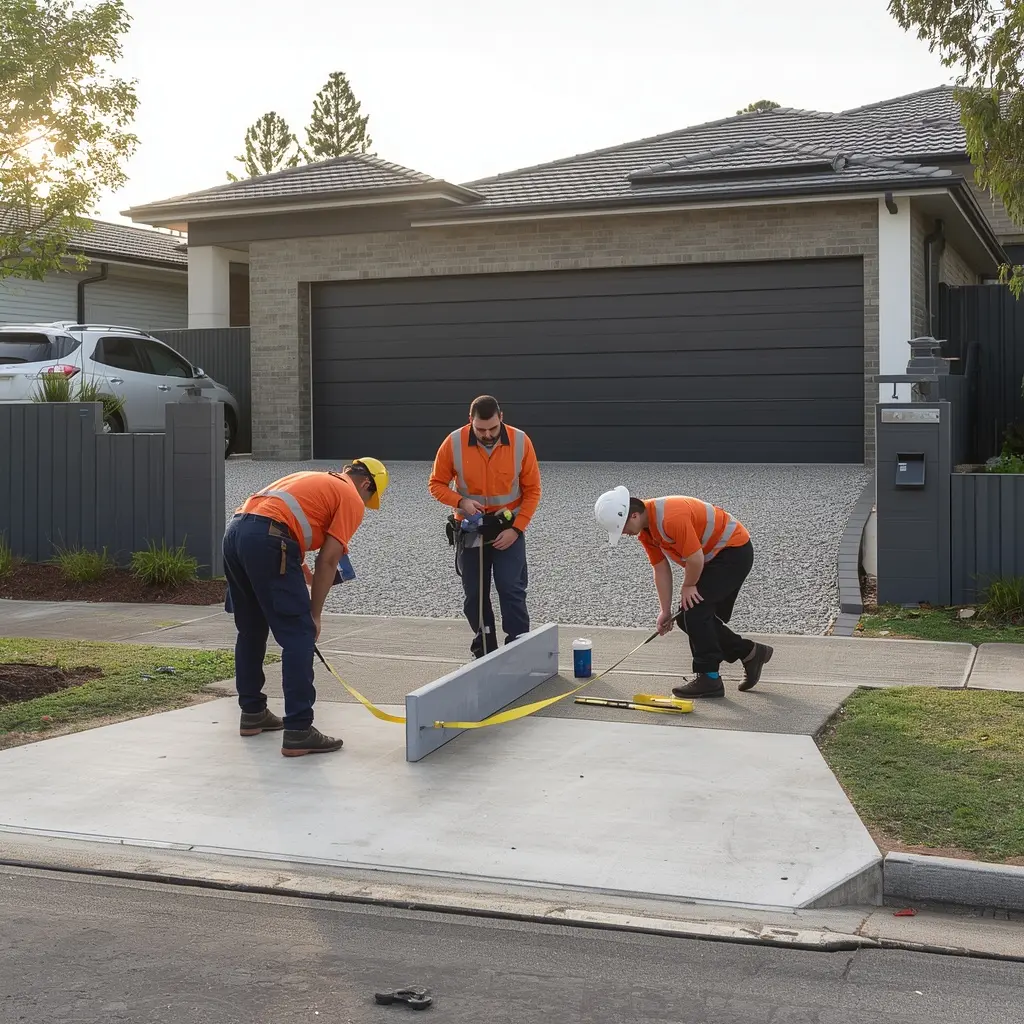
Most residential driveways in Victoria do not require a building permit, but you may need a vehicle crossing permit from your local council. Costs and processes vary between Melbourne’s 30+ local government areas. Always check with your council before breaking ground.
Driveway Material Costs in Victoria (2026)
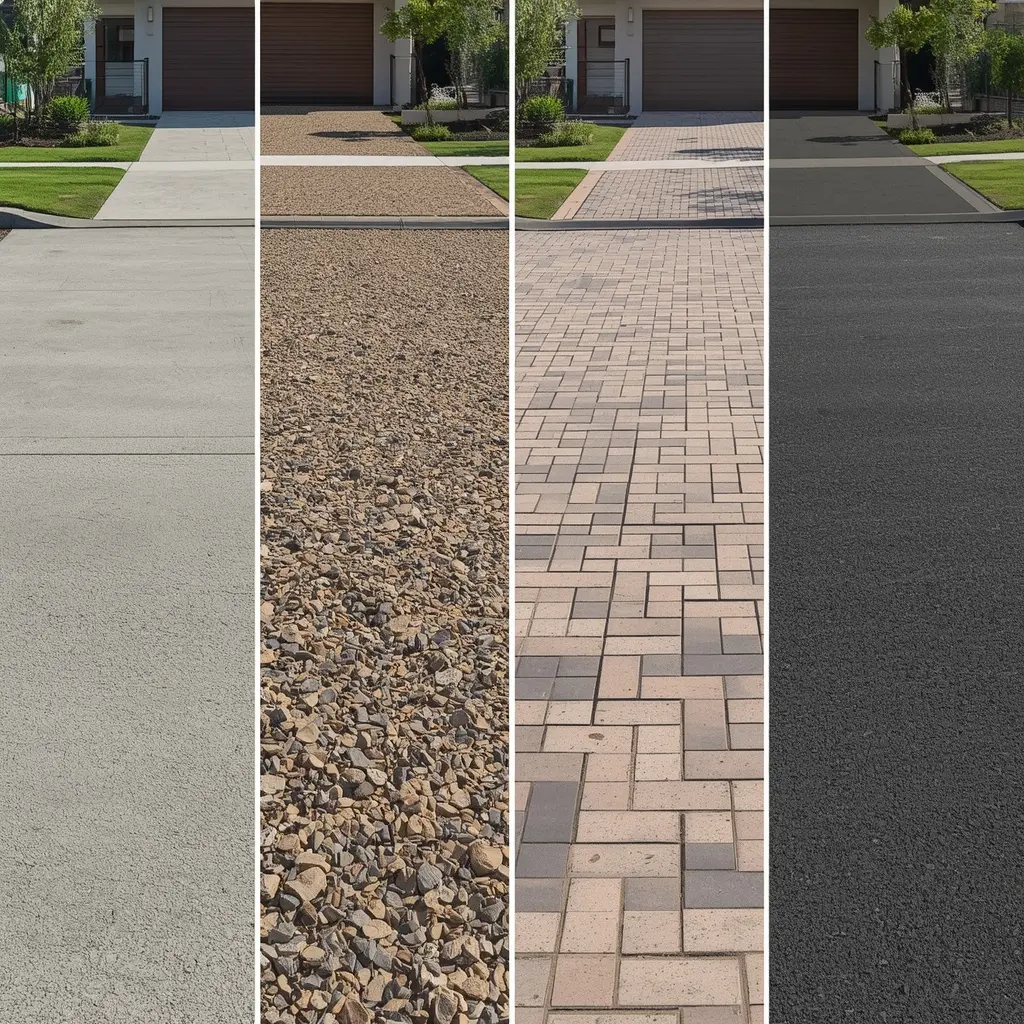
The table below provides a practical overview of driveway material costs per square metre in Victoria for 2025. Prices include materials and standard installation; they do not include site preparation, removal of old surfaces, or drainage.
|
Material |
Cost per m² |
Lifespan |
Maintenance |
Best For |
|
Plain Concrete |
$65–$85 |
25–40 years |
Low |
Budget-conscious homeowners |
|
Broom-Finish Concrete |
$70–$90 |
25–40 years |
Low |
Functional, slip-resistant finish |
|
Exposed Aggregate |
$90–$130 |
25–40 years |
Low–Medium |
Popular in Melbourne suburbs |
|
Stencilled / Printed Concrete |
$100–$150 |
20–30 years |
Medium |
Decorative, pattern options |
|
Asphalt / Bitumen |
$40–$65 |
20–30 years |
Medium |
Fast installation, cost-effective |
|
Brick/Clay Pavers |
$110–$180 |
30–50 years |
Medium |
Heritage homes, character suburbs |
|
Concrete Pavers |
$90–$150 |
30–50 years |
Low–Medium |
Modern homes, flexible design |
|
Gravel / Crushed Rock |
$30–$55 |
5–15 years |
High |
Rural properties, large areas |
|
Natural Stone (Bluestone) |
$150–$220+ |
50+ years |
Low–Medium |
Premium properties, heritage areas |
|
Permeable Pavers |
$120–$180 |
25–40 years |
Low |
Drainage-sensitive areas |
Note: Prices are indicative estimates for the Melbourne metro area and regional Victoria. Final costs depend on your specific site conditions, chosen finish, and contractor. Always obtain at least 3 quotes.
Complete Driveway Installation Cost Estimates for Victoria
Below are realistic all-in cost ranges for common driveway projects across Melbourne and Victoria in 2025. These include supply, labour, standard site preparation, and basic drainage.
|
Project Type |
Size (Approx.) |
Material |
Estimated Total Cost |
|
Single-car driveway |
30–40 m² |
Plain concrete |
$2,000–$3,500 |
|
Single-car driveway |
30–40 m² |
Exposed aggregate |
$3,200–$5,500 |
|
Double-car driveway |
50–70 m² |
Plain concrete |
$3,500–$6,500 |
|
Double-car driveway |
50–70 m² |
Exposed aggregate |
$5,000–$9,500 |
|
Double-car driveway |
50–70 m² |
Brick/clay pavers |
$6,500–$13,000 |
|
Long driveway (rural) |
100–150 m² |
Asphalt/bitumen |
$4,500–$10,000 |
|
Premium circular driveway |
100–120 m² |
Bluestone/natural stone |
$15,000–$26,000+ |
|
💡 Pro Tip: Hidden Costs to Watch Out For • Removal & disposal of existing driveway: $500–$2,500 • Excavation for poorly draining or sloped sites: $500–$3,000 • Stormwater drainage installation: $500–$3,500 • Council vehicle crossing permit: $150–$600 (varies by LGA) • Tree root removal: $300–$1,500 • Retaining walls (sloped sites): $200–$600 per linear metre |
Popular Driveway Materials: Pros, Cons & Melbourne Suitability
Concrete Driveways
Concrete remains the most popular driveway material in Melbourne for good reason — it is durable, low-maintenance, and suits virtually every residential property type from inner-city terraces to outer-suburban family homes. Plain concrete is the most affordable concrete option, while decorative finishes like exposed aggregate and stencilling add character at a higher price point.
- Pros: Long lifespan (25–40 years), low maintenance, versatile finishes, strong kerb appeal
- Cons: Can crack over time; Melbourne’s clay soils can cause movement if base preparation is inadequate
- Best for: Most Melbourne and Victorian residential properties
- Maintenance: Seal every 3–5 years; clean with a pressure washer annually
Asphalt / Bitumen Driveways
Asphalt is one of the most cost-effective options available and is particularly popular for longer driveways on rural or semi-rural Victorian properties. It handles Melbourne’s variable temperatures reasonably well, though it can soften in extreme heat if not properly installed.
- Pros: Lower cost per m², quick installation, easy repairs
- Cons: Can soften in extreme heat; requires resealing every 3–5 years; not as visually premium
- Best for: Long driveways, investment properties, commercial settings
Exposed Aggregate Concrete
Exposed aggregate is hugely popular in Melbourne’s middle and outer suburbs. The textured, decorative surface hides dirt better than plain concrete, provides excellent traction in wet weather, and gives a high-end appearance at a mid-range price.
- Pros: Attractive finish, excellent slip resistance, hides stains, long lifespan
- Cons: Slightly more expensive than plain concrete; can be harder to repair seamlessly
- Best for: Family homes, high foot-traffic areas, Melbourne’s wetter months
Brick and Clay Pavers
Brick and clay pavers suit Melbourne’s heritage and period home precincts beautifully — think Carlton, Kew, Hawthorn, and Ballarat. Individual pavers can be replaced if damaged, making long-term maintenance simpler. The major downside is cost and the potential for weed growth in mortar joints over time.
- Pros: Timeless aesthetic, repairable, premium value add
- Cons: Higher upfront cost; weeds can grow in joints; requires periodic re-sanding
- Best for: Heritage properties, character-rich suburbs, garden-focused homes
Natural Stone (Bluestone, Granite, Sandstone)
Bluestone in particular is quintessentially Melbourne — it lines the city’s iconic laneways and heritage buildings. As a driveway material, it is the most premium option available, offering unmatched durability and aesthetic appeal. Expect to pay a premium for both the material and the skilled installation required.
- Pros: Exceptional longevity (50+ years), premium aesthetics, adds significant property value
- Cons: High cost, requires skilled installation, can be slippery when wet if not properly sealed
- Best for: Premium properties, heritage homes, design-conscious homeowners
How Long Does a Driveway Installation Take in Victoria?
Understanding the installation timeline helps you plan around daily life, particularly important if your driveway is the primary access to your garage or home.
|
Material |
Installation Time |
Curing / Drying Time |
Full Use |
|
Plain / Decorative Concrete |
1–2 days |
7 days (light), 28 days (full) |
28 days |
|
Exposed Aggregate |
1–2 days |
7 days (light), 28 days (full) |
28 days |
|
Asphalt / Bitumen |
1 day |
24–48 hours |
2–3 days |
|
Concrete Pavers |
2–4 days |
24 hours (mortar) |
2–3 days |
|
Brick / Clay Pavers |
3–5 days |
24–48 hours (bedding) |
2–3 days |
|
Natural Stone |
3–7 days |
48–72 hours |
3–5 days |
Driveway Maintenance Tips for Victorian Homeowners
Protecting your driveway investment comes down to regular, simple maintenance. Melbourne’s variable climate — from hot, dry summers to cool, wet winters — puts unique demands on driveway surfaces.
Concrete Driveways
- Seal with a penetrating sealer every 3–5 years to resist staining and moisture
- Clean with a pressure washer at the start of spring to remove winter grime and mould
- Fill hairline cracks promptly with a concrete crack filler before they expand
- Avoid parking heavy vehicles on new concrete for the first 28 days during curing
Paver Driveways
- Re-sand joints every 3–5 years with polymeric jointing sand to suppress weeds
- Replace any cracked or sunken individual pavers — do not leave them unaddressed
- Apply a penetrating sealer to enhance colour and protect against oil stains
Asphalt Driveways
- Reseal every 3–5 years to prevent UV and water damage
- Fill any potholes or cracks within 6–12 months of them appearing
- Avoid parking heavy vehicles in the same spot repeatedly — this can cause rutting in hot weather
Why Choose Naxan Renovations for Your Melbourne Driveway?
When it comes to driveway installation and renovation in Melbourne and across Victoria, Naxan Renovations brings together experienced local tradespeople, quality materials, and a commitment to getting the job done right the first time.

